
What does this career involve?
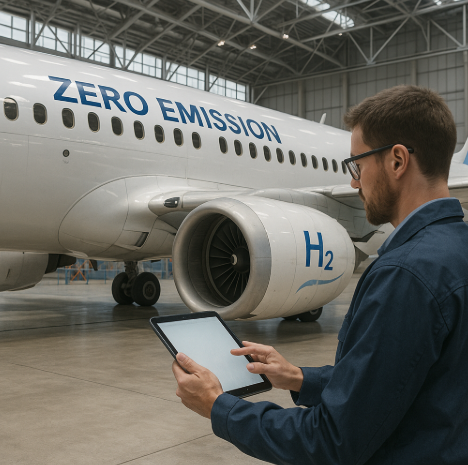
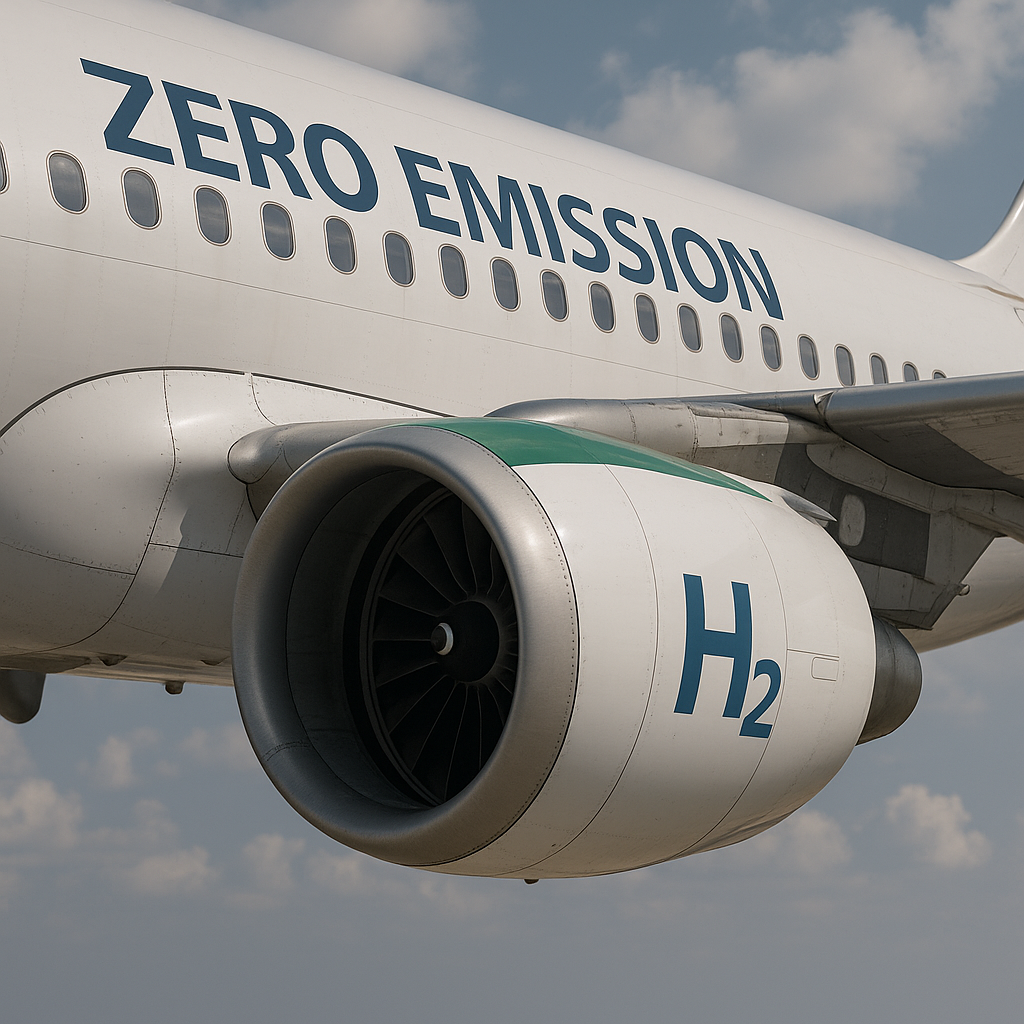
Zero-emission aircraft engineers work on the hardest problem in aviation: replacing jet fuel without giving up range, payload or safety. Some work on electric motors and the batteries that feed them, some on hydrogen tanks and fuel cells, and some on the lighter structures needed to carry all of it. Every part has to meet the same certification standards as a conventional aircraft.
Why is this a future career?
In development, not yet in service (autumn 2026). Aviation produces around 2.5 per cent of global carbon dioxide emissions, and the total is still rising. Hydrogen-electric test aircraft have flown in the UK since 2023, but no zero-emission airliner is in service, and in 2025 Airbus pushed its hydrogen aircraft programme back beyond 2035. It will take a generation of engineers to make the technology practical, and the UK is one of the places doing that work.
Skills for this career
Related Technologies of the 4IR
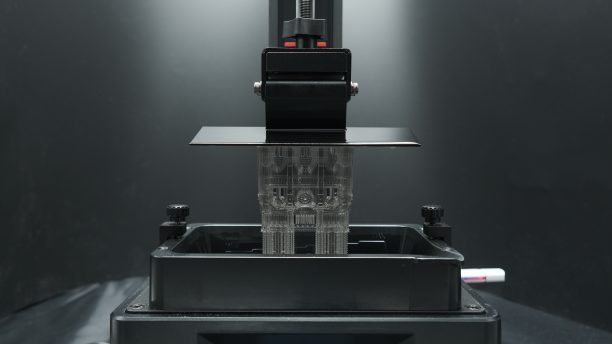
3D Printing
Nanotechnology
Big Data and Predictive Analytics

Internet of Things (IoT)

Artificial Intelligence

Where to start
Maths, physics, chemistry and design and technology all help. Routes in include an engineering apprenticeship with an aircraft or engine manufacturer, or a degree in aerospace, mechanical or electrical engineering.