
What does this career involve?
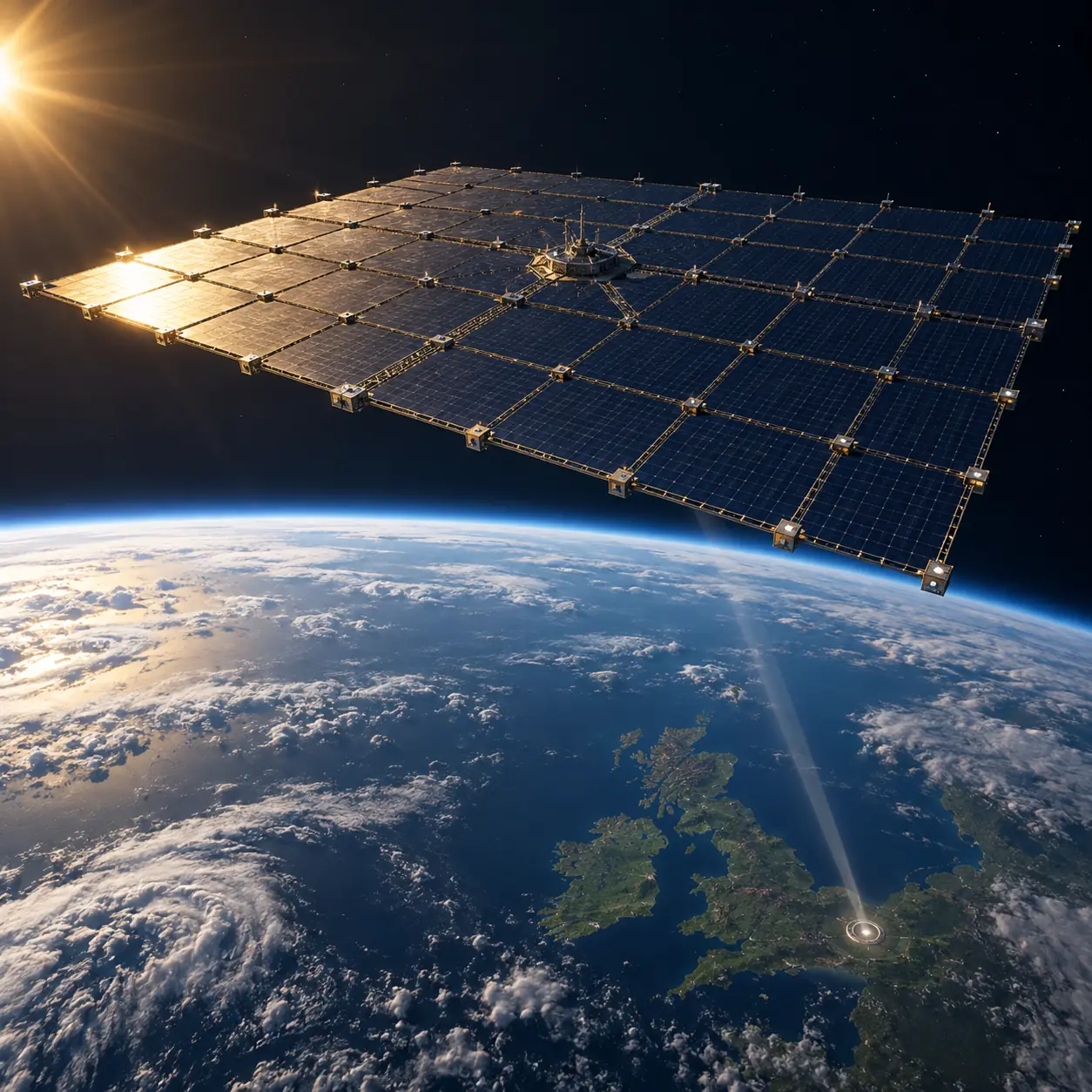
A space-based solar power station would be a structure more than a kilometre across, collecting sunlight almost continuously and sending it to a receiver on the ground as a microwave beam, to be turned back into electricity. Engineers would design arrays and structures light enough to launch and strong enough to hold their shape, the electronics that form and steer the beam, the ground receivers, and the robots that would assemble it all in orbit. Keeping the beam safe, accurate and efficient across 36,000 kilometres is the central problem.
Why is this a future career?
Not yet: still to be proved in orbit (autumn 2026). The idea dates from the 1970s, and it has now been tested: in 2023 a small Caltech experiment beamed a detectable amount of power from orbit to a receiver on the ground. In the UK, Space Solar, at Harwell in Oxfordshire, completed a government co-funded design study in April 2025, and in August 2026 the Space Energy Initiative called for the UK to co-fund an orbital demonstrator. Whether full-scale stations are ever built depends on demonstrators like that, and they will need engineers first.
Skills for this career
Related Technologies of the 4IR
Robotics
Nanotechnology

5G Technology

Fusion Power
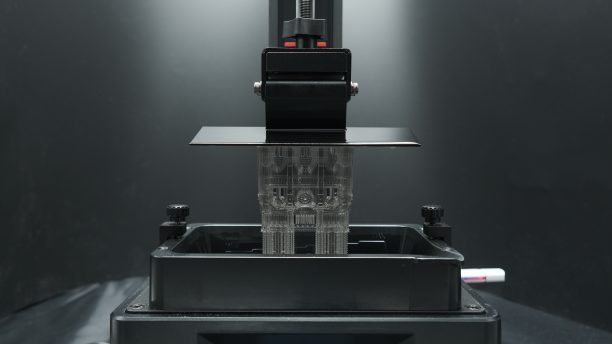
3D Printing
Where to start
Physics and maths are the core subjects. Electrical, electronic and aerospace engineering degrees and apprenticeships lead to the careers above, and that is where this field will find its engineers.