
What does this career involve?
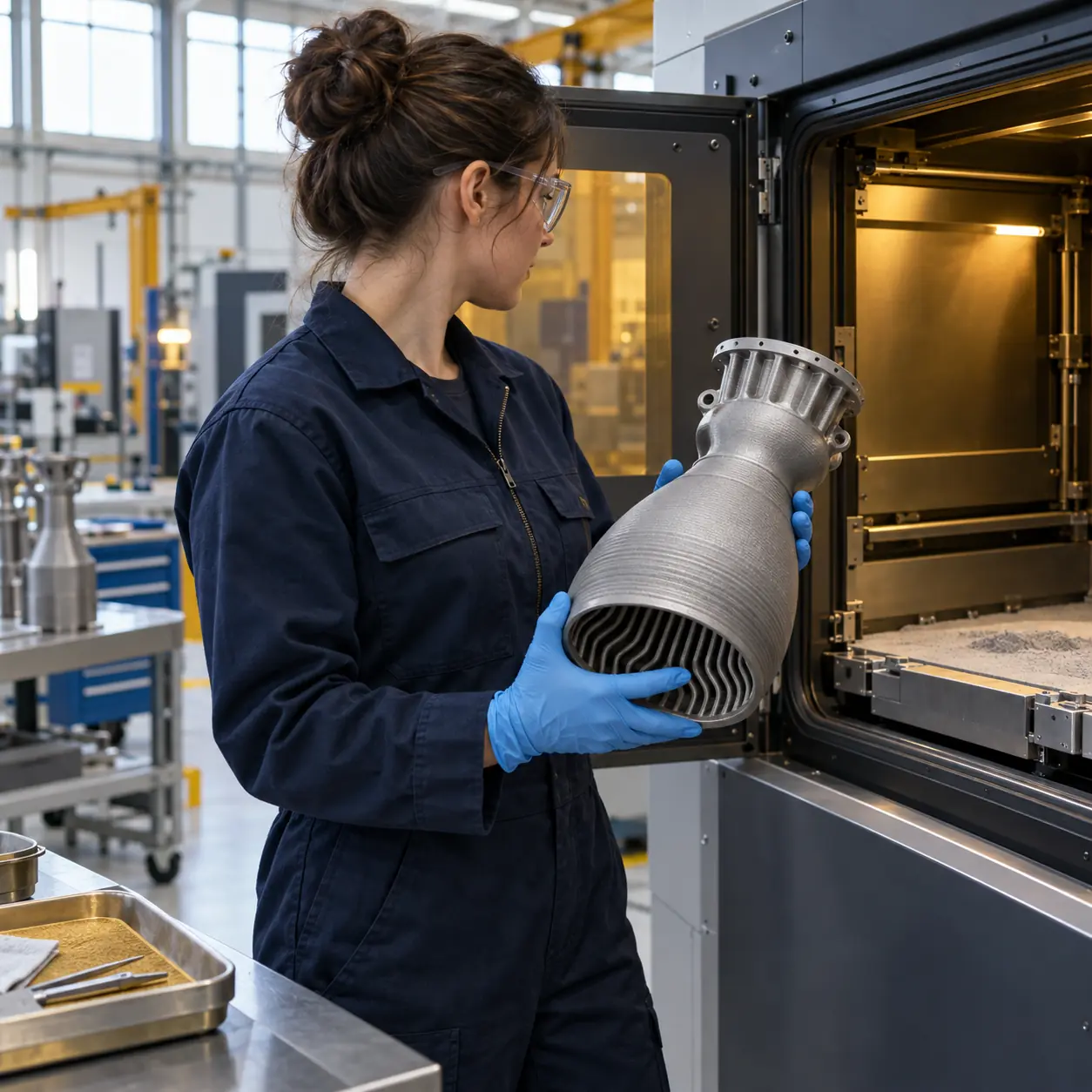
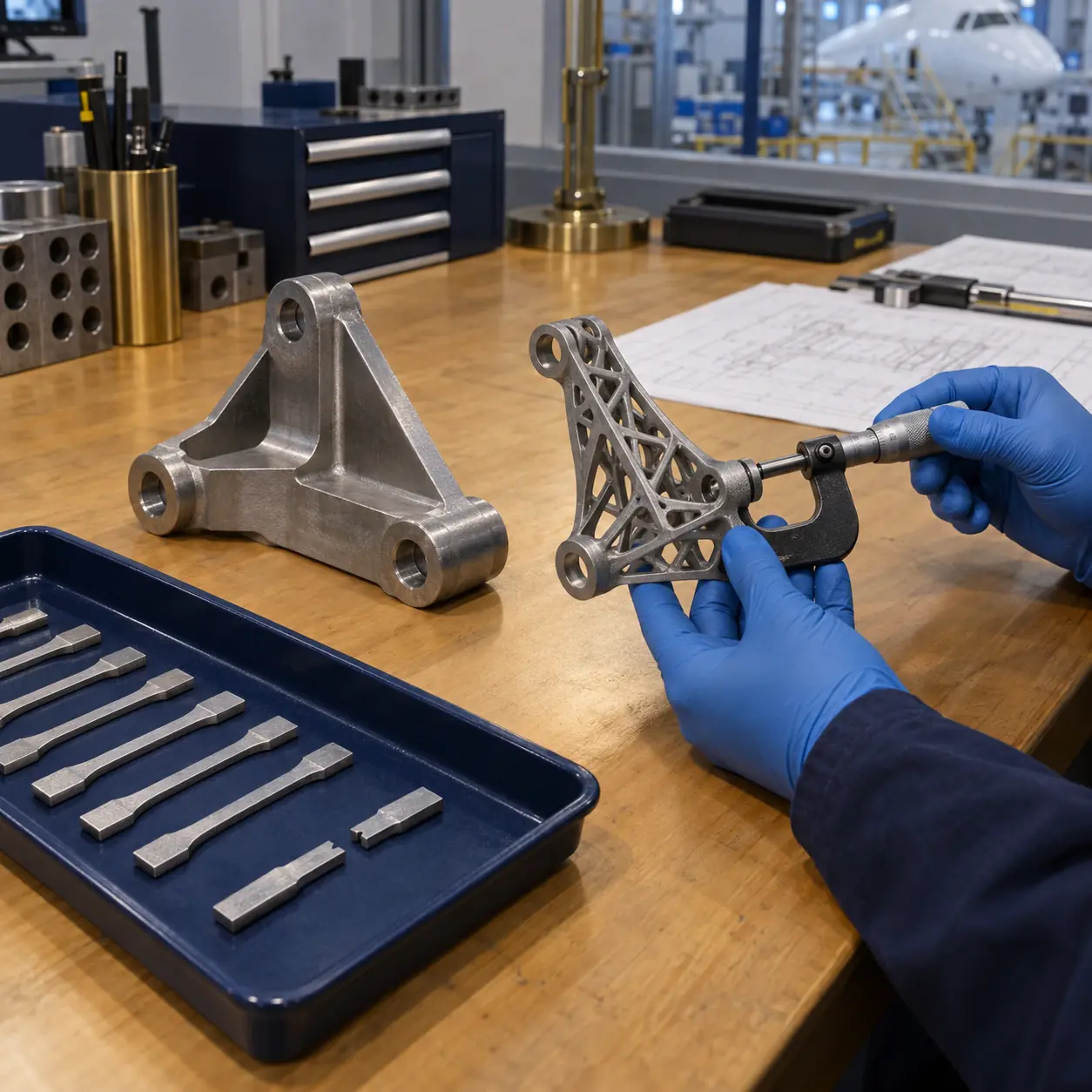
Additive manufacturing, or 3D printing, builds a part layer by layer from metal powder or polymer rather than cutting it from solid. In aerospace that allows shapes that cannot be machined, such as a rocket engine with its cooling channels printed in one piece, and parts that weigh less because material goes only where it is needed. The engineers choose the process and material, design parts to suit them, run the machines and inspect what comes out. Proving every printed part is as strong as the drawing says is much of the job.
Why is this a future career?
New role, taking on people now (autumn 2026). The first passenger jet engine with printed parts entered service in 2016, with fuel nozzles that could not be made any other way, and more than 100,000 have since been produced. A Scottish rocket company prints its engines, the UK’s National Centre for Additive Manufacturing, in Coventry, supports suppliers, and additive manufacturing engineer is a title aerospace employers advertise. What is still to come is printing the main load-bearing structure of an aircraft; regulators publish separate guidance on proving that a printed part is safe.
Skills for this career
Related Technologies of the 4IR
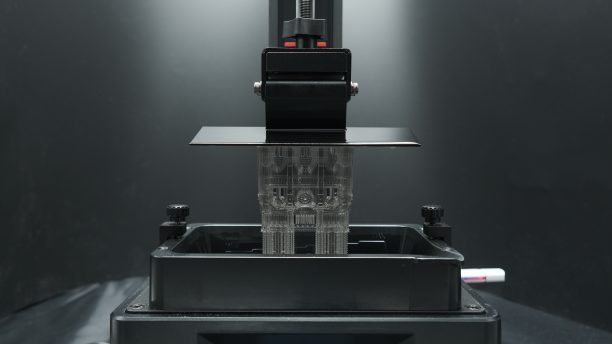
3D Printing
Robotics
Nanotechnology

Big Data and Predictive Analytics

Artificial Intelligence

Where to start
Design and technology, maths and physics are the subjects to focus on. Routes in include an engineering or manufacturing apprenticeship, or a degree in mechanical, materials or aerospace engineering.