
What does this career involve?
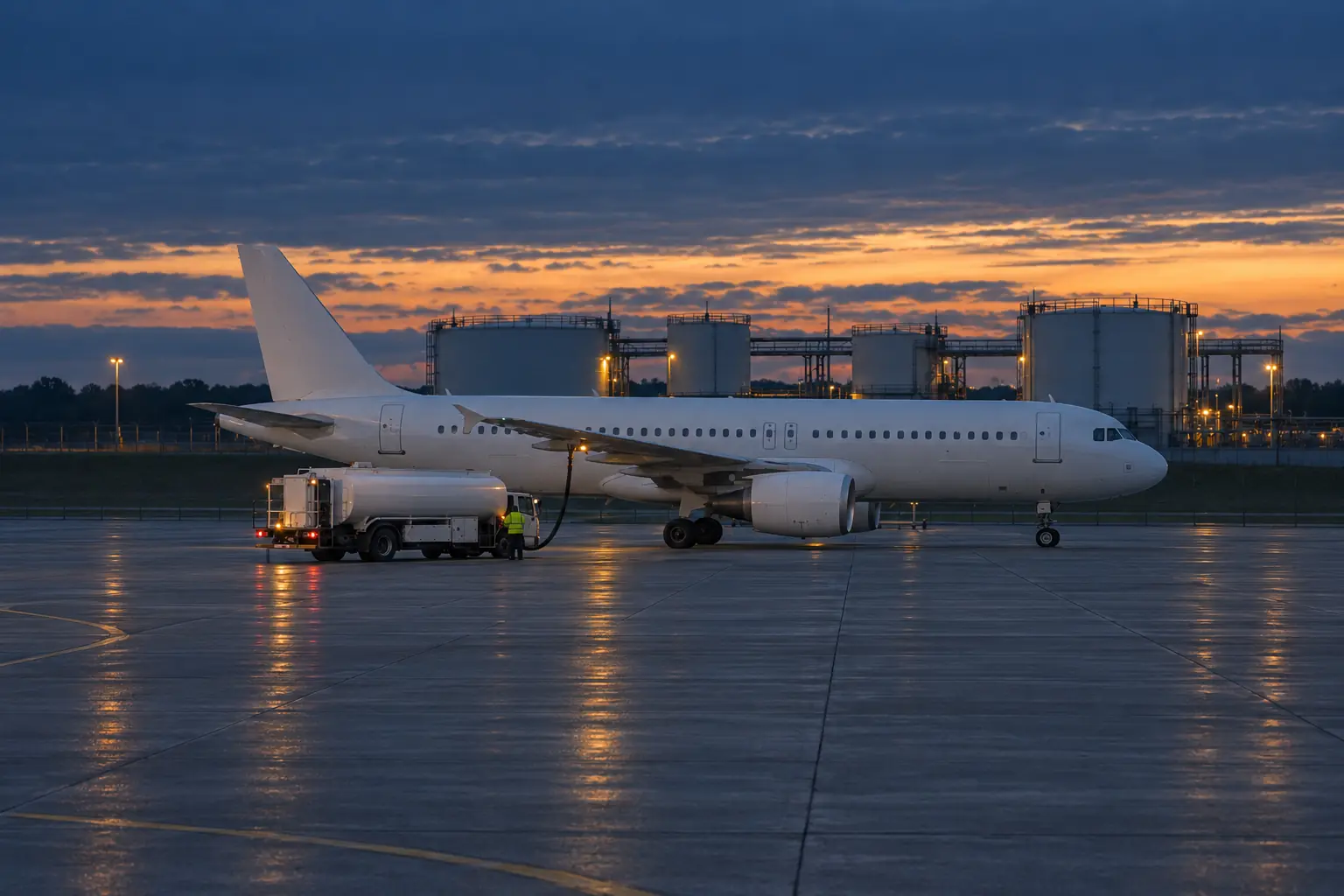
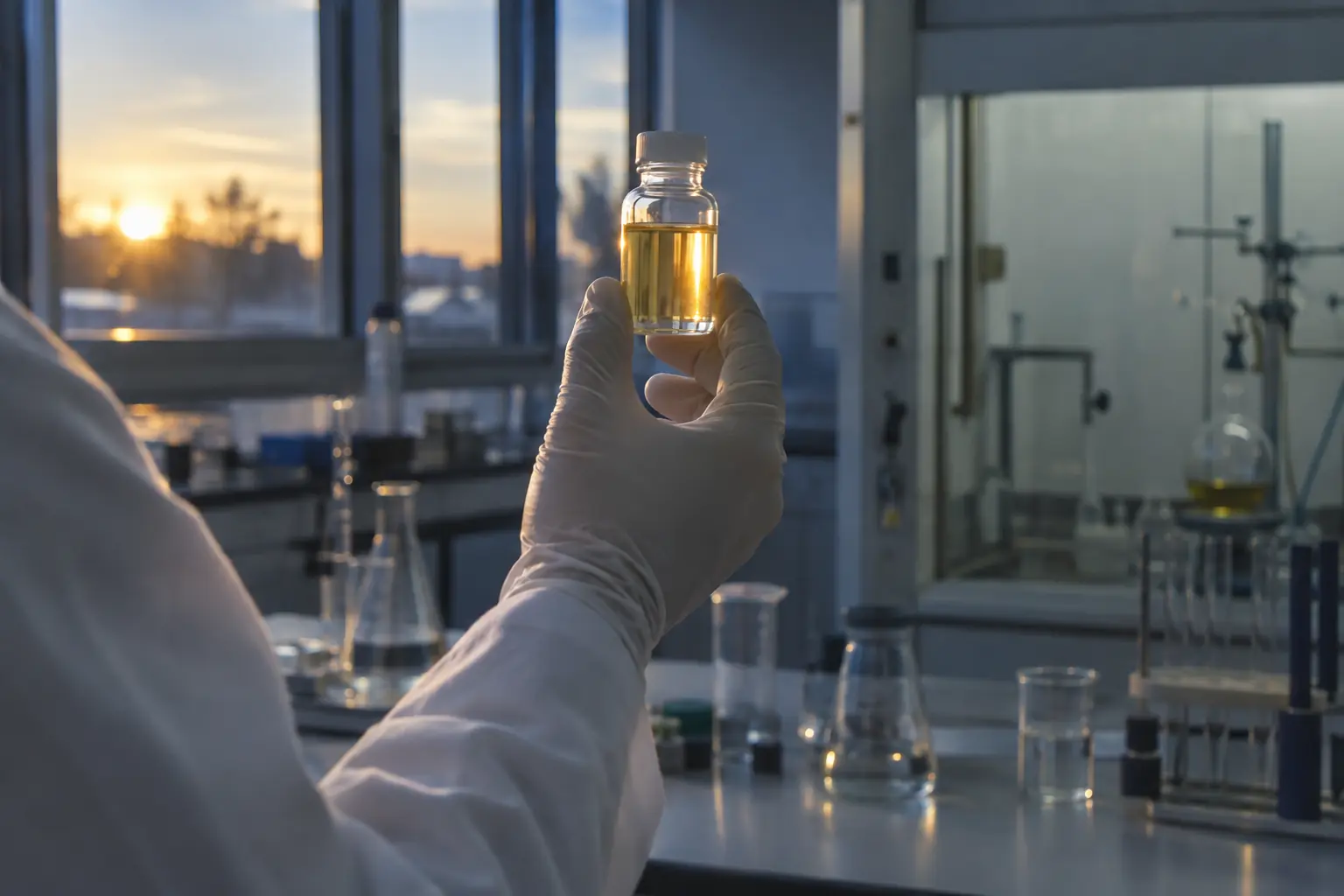
Sustainable aviation fuel (SAF) is jet fuel made without crude oil: from used cooking oil and fats, from agricultural or household waste, or from hydrogen combined with captured carbon dioxide. SAF scientists work on the chemistry that turns those materials into a fuel that behaves like kerosene in an engine, and on making it at scale. Some work in the laboratory. Others test fuels against the strict standards every batch must meet, measure emissions across a fuel’s whole lifecycle, or help run the plants that produce it.
Why is this a future career?
New role, taking on people now (autumn 2026). UK law now requires a rising share of jet fuel to be sustainable: 2 per cent since 2025, reaching 10 per cent in 2030 and 22 per cent in 2040. Most SAF today comes from used cooking oil and fats, which are in short supply, so from 2028 the law also requires some synthetic fuel made from hydrogen and captured carbon dioxide, which so far exists only in small quantities. The Sustainable Aviation Fuel Act 2026 was passed to get the first commercial-scale UK plants built.
Skills for this career
Related Technologies of the 4IR
Biotechnology

Nanotechnology

Big Data and Predictive Analytics

Artificial Intelligence

Internet of Things (IoT)

Where to start
Chemistry is the core subject, with maths and physics close behind. Chemistry and chemical engineering degrees and apprenticeships are the usual routes, and the careers above show where the jobs are today.