
What does this career involve?
Mission designers take a goal, such as imaging farmland every day, connecting ships at sea or carrying paying passengers, and work out how to achieve it in space: which orbit, what size of spacecraft, which launch, what it will cost and what could go wrong. The commercial version of the job adds customers, contracts and competition. It rewards people who can hold the engineering and the business case in their heads at the same time.

Why is this a future career?
New role, taking on people now (autumn 2026). More than 14,000 satellites are in orbit, over 800 of them run by UK organisations, and the UK now has its own licensed launch sites. Much of that activity is commercial, and UK space companies advertise mission and systems engineering roles today. What is still to come is the routine, repeatable commercial mission, priced and planned like a flight rather than an expedition.

Skills for this career
Related Technologies of the 4IR
Big Data and Predictive Analytics

Cloud Computing and Edge Computing

Artificial Intelligence

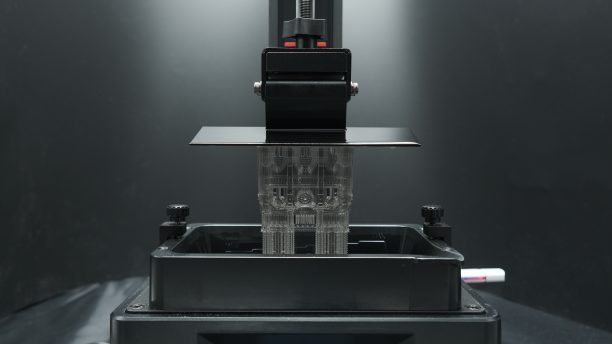
3D Printing
Internet of Things (IoT)

Where to start
Maths and physics are the core subjects; business studies or economics helps too. Routes in include a degree in aerospace engineering, physics or space systems, or an apprenticeship with a satellite manufacturer.